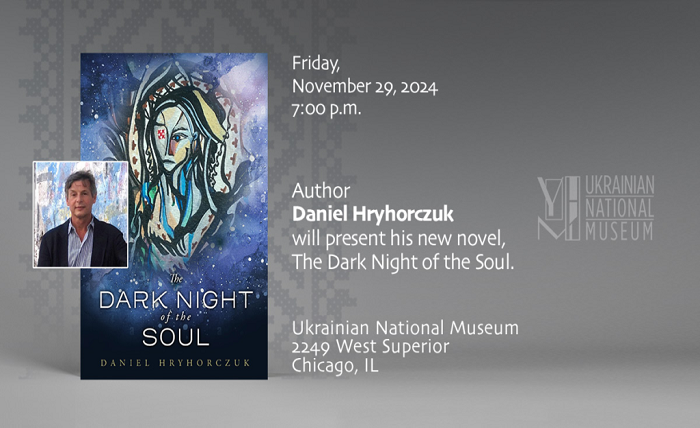
The dark night novel is a powerful literary concept that blends psychological depth, emotional struggle, and atmospheric tension into a single compelling narrative. At its core, the dark night novel revolves around moments of crisis, despair, and transformation, often placing characters in situations where hope feels distant and moral clarity is blurred. Unlike simple horror or thriller genres, the dark night novel focuses more on the internal turmoil of its protagonists, using darkness as both a literal and symbolic device. Readers are drawn to the dark night novel because it mirrors the hidden fears and unresolved conflicts that exist within real life, giving them a safe space to confront uncomfortable truths through fiction.
The Historical Roots of the Dark Night Novel Tradition
The dark night novel has deep roots in gothic literature and early romantic storytelling, where writers used shadowy settings and emotionally tormented characters to explore the human condition. Classic works such as Frankenstein by Mary Shelley and Dracula by Bram Stoker exemplify early forms of the dark night novel, combining physical darkness with psychological dread. During the 19th century, the dark night novel evolved as industrialization and social change influenced authors to examine alienation and existential fear. These historical foundations shaped the dark night novel into a genre that goes beyond surface-level scares and dives into moral ambiguity and philosophical reflection.
The Psychological Depth That Defines a Dark Night Novel
One defining feature of a dark night novel is its intense psychological exploration. In a dark night novel, the protagonist often experiences a symbolic “dark night of the soul,” a period of despair where their identity, beliefs, and relationships are tested. Authors use inner monologues, fragmented narratives, and unreliable narrators to heighten this sense of mental instability. The dark night novel frequently portrays depression, guilt, obsession, or trauma, allowing readers to engage with complex emotional landscapes. This psychological realism makes the dark night novel resonate deeply, as it reflects authentic human struggles rather than exaggerated fantasy alone.
Common Themes Found in a Dark Night Novel
A dark night novel often explores recurring themes such as isolation, moral conflict, redemption, and the duality of human nature. In many examples of the dark night novel, characters must confront their own inner demons before they can overcome external threats. Themes of light versus darkness are central, with darkness symbolizing ignorance, fear, or corruption, while light represents truth or renewal. The dark night novel also frequently addresses existential questions about meaning and purpose, placing its characters in situations where easy answers do not exist. Through these layered themes, the dark night novel challenges readers to think critically about their own ethical boundaries and emotional resilience.
The Setting and Atmosphere of a Dark Night Novel
Atmosphere plays a crucial role in shaping a dark night novel, as the environment often mirrors the protagonist’s inner state. Stormy weather, abandoned buildings, fog-covered landscapes, and dimly lit urban streets are common settings within a dark night novel. These elements create a sense of claustrophobia and suspense that enhances the emotional stakes. In many instances, the dark night novel uses nighttime not merely as a backdrop but as a character in itself, influencing decisions and intensifying fear. The immersive settings of a dark night novel draw readers into a world where uncertainty reigns and every shadow may conceal a revelation.
Character Archetypes in the Dark Night Novel
The dark night novel frequently features complex character archetypes that embody moral ambiguity. The troubled hero, the manipulative antagonist, and the morally conflicted ally are staples of the dark night novel structure. Unlike traditional heroes, protagonists in a dark night novel often possess flaws that contribute to their suffering. This imperfection makes the dark night novel more relatable and emotionally engaging. Secondary characters in a dark night novel may serve as reflections of the protagonist’s fears or desires, reinforcing the central theme of inner struggle. Through these layered personalities, the dark night novel crafts narratives that feel authentic and unpredictable.
The Modern Evolution of the Dark Night Novel
In contemporary literature, the dark night novel has expanded beyond gothic roots into psychological thrillers, crime fiction, and literary drama. Authors like Gillian Flynn, known for Gone Girl, have redefined the dark night novel by blending suspense with sharp social commentary. Similarly, Cormac McCarthy in The Road presents a bleak yet emotionally profound interpretation of the dark night novel. Modern technology, shifting societal norms, and global anxieties have given the dark night novel new dimensions, allowing it to address themes like digital isolation, systemic injustice, and environmental collapse. Despite these changes, the essence of the dark night novel remains rooted in personal transformation through adversity.
Why Readers Are Drawn to the Dark Night Novel
The enduring popularity of the dark night novel can be attributed to its emotional intensity and cathartic impact. A dark night novel allows readers to confront fear and despair within the safety of fiction, often emerging with a renewed sense of hope or insight. The suspense and unpredictability of a dark night novel keep readers engaged, while the emotional depth fosters empathy. Many readers find that a dark night novel validates their own struggles, reminding them that hardship is often a precursor to growth. By exploring vulnerability and resilience, the dark night novel offers both entertainment and profound reflection.
Writing Techniques That Strengthen a Dark Night Novel
Crafting a compelling dark night novel requires careful attention to pacing, symbolism, and character development. Authors of a dark night novel often use foreshadowing to create a lingering sense of unease from the opening chapters. Symbolic imagery, such as fading light or recurring nightmares, reinforces the themes of the dark night novel. Dialogue in a dark night novel is typically layered with subtext, revealing hidden motivations and emotional tension. By balancing suspense with introspection, writers ensure that the dark night novel remains emotionally gripping rather than overwhelming. These techniques collectively shape the immersive power of the dark night novel.
The Emotional Journey Within a Dark Night Novel
At its heart, the dark night novel is about transformation through suffering. The emotional arc of a dark night novel typically moves from stability to crisis, then toward revelation or redemption. During the darkest moments of a dark night novel, characters may feel broken or lost, yet these moments often serve as turning points. Readers witness the gradual rebuilding of identity and purpose, making the dark night novel deeply satisfying. This emotional progression ensures that the dark night novel is not simply about darkness, but about the possibility of light emerging from it.
Conclusion
The dark night novel continues to captivate readers because it speaks to universal experiences of fear, doubt, and renewal. Through psychological depth, atmospheric tension, and moral complexity, the dark night novel transcends genre boundaries. Whether rooted in gothic castles or modern cities, the dark night novel reminds us that darkness is often a necessary stage before growth. By confronting uncomfortable truths, the dark night novel empowers readers to embrace resilience and transformation in their own lives.
1: What Defines a Dark Night Novel Compared to Other Genres?
A dark night novel is defined by its focus on psychological crisis, moral ambiguity, and emotional transformation rather than simple external conflict. While thrillers emphasize action and horror emphasizes fear, the dark night novel centers on inner turmoil and character evolution.
2: Is a Dark Night Novel Always Depressing?
A dark night novel may explore despair and hardship, but it is not always depressing. Many examples of the dark night novel ultimately offer hope, redemption, or insight, making the emotional journey meaningful rather than purely bleak.
3: Can a Dark Night Novel Include Romance?
A dark night novel can absolutely include romance, especially when relationships contribute to the protagonist’s emotional struggle. In many cases, love becomes a catalyst for growth within a dark night novel.
4: Are Classic Gothic Books Considered a Dark Night Novel?
Many classic gothic works can be seen as early forms of the dark night novel because they combine atmospheric darkness with psychological conflict. However, the modern dark night novel often expands beyond gothic tropes into contemporary themes.
5: Why Is the Dark Night Novel So Popular Today?
The dark night novel remains popular because it reflects modern anxieties and personal struggles. By portraying characters who endure and evolve, the dark night novel resonates strongly with readers seeking depth and authenticity in storytelling.