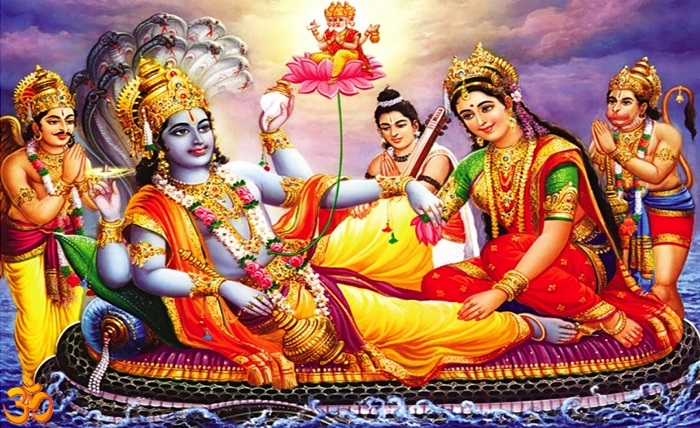
The question “gyaras kab ki hai” is commonly asked by devotees who follow the Hindu calendar and observe fasting traditions. Gyaras, also known as Ekadashi, falls on the 11th day of each lunar fortnight, making it a spiritually significant day. When people search for gyaras kab ki hai, they are usually trying to determine the exact date to observe fasting, perform prayers, and seek blessings from Lord Vishnu.
In the Hindu lunar calendar, there are two Ekadashi days every month—one during the waxing phase (Shukla Paksha) and one during the waning phase (Krishna Paksha). Knowing gyaras kab ki hai helps devotees align their religious practices with the correct lunar timing, which is considered essential for receiving maximum spiritual benefits.
Gyaras Kab Ki Hai – Monthly Dates and Calendar Importance
When asking gyaras kab ki hai, it’s important to refer to a reliable Panchang (Hindu calendar), as the dates vary each month according to lunar cycles. Unlike fixed Gregorian calendar dates, Ekadashi shifts every month, which is why many people frequently search gyaras kab ki hai to stay updated.
Each Ekadashi has its own name and significance, such as Devshayani Ekadashi, Nirjala Ekadashi, and Vaikuntha Ekadashi. Knowing gyaras kab ki hai for each month ensures that devotees can prepare for fasting and rituals properly. Missing the correct date may lead to incomplete observance, which is why accurate timing is crucial.
Gyaras Kab Ki Hai – Religious Significance of Ekadashi
The importance behind the question gyaras kab ki hai goes beyond just knowing a date. Ekadashi is dedicated to Lord Vishnu and is believed to cleanse sins, purify the mind, and bring spiritual growth. When devotees ask gyaras kab ki hai, they are essentially preparing for a day of devotion, discipline, and self-control.
According to Hindu scriptures, observing Ekadashi fasting helps in attaining moksha (liberation). Therefore, understanding gyaras kab ki hai allows individuals to participate in this sacred opportunity to strengthen their connection with the divine. The day is marked by chanting, meditation, and avoidance of worldly distractions.
Gyaras Kab Ki Hai – Types of Ekadashi Observances
Another reason why people frequently search gyaras kab ki hai is to identify the specific type of Ekadashi they are observing. There are 24 Ekadashis in a year, and sometimes even 26 in leap years. Each one has unique rules and benefits, making gyaras kab ki hai an essential query for proper observance.
Some Ekadashis require strict fasting without water, while others allow fruits and milk. By knowing gyaras kab ki hai, devotees can follow the correct method for that specific Ekadashi. For example, Nirjala Ekadashi is considered the most कठिन (strict), while others may be more flexible.
Gyaras Kab Ki Hai – Fasting Rules and Rituals
When people ask gyaras kab ki hai, they are often planning their fasting schedule. The fast usually begins at sunrise and continues until the next day after breaking it during Dwadashi. Knowing gyaras kab ki hai ensures that the fasting period is observed correctly according to religious guidelines.
Devotees typically avoid grains, beans, and certain vegetables on Ekadashi. Instead, they consume fruits, milk, and vrat-friendly foods. In addition to fasting, people engage in पूजा (worship), recite Vishnu Sahasranama, and visit temples. Understanding gyaras kab ki hai helps devotees perform these rituals with accuracy and devotion.
Gyaras Kab Ki Hai – Spiritual and Health Benefits
The query gyaras kab ki hai is not just about religion but also about personal well-being. Fasting on Ekadashi is believed to detoxify the body and improve digestion. Many people who search gyaras kab ki hai are also interested in its health advantages.
From a spiritual perspective, observing Ekadashi enhances mental clarity and emotional stability. The discipline involved in fasting helps control desires and develop inner strength. By knowing gyaras kab ki hai, individuals can incorporate this beneficial practice into their lifestyle regularly.
Gyaras Kab Ki Hai – How to Check Accurate Dates
In today’s digital age, finding the answer to gyaras kab ki hai has become easier than ever. People can use online Panchangs, mobile apps, or consult local priests to get accurate information. However, it is important to verify the time zone and location when checking gyaras kab ki hai, as dates may differ slightly based on geography.
Many websites provide detailed Ekadashi calendars, including start and end timings. By regularly checking gyaras kab ki hai, devotees can stay prepared and never miss an important fasting day. Accuracy is key, especially for those who follow strict religious practices.
Gyaras Kab Ki Hai – Importance in Modern Life
Even in modern times, the question gyaras kab ki hai remains highly relevant. Despite busy schedules, many people continue to observe Ekadashi as a way to maintain spiritual balance. Knowing gyaras kab ki hai helps individuals plan their routines and dedicate time to prayer and self-reflection.
The practice of fasting and devotion provides a break from daily stress and promotes mindfulness. As more people seek holistic well-being, the importance of knowing gyaras kab ki hai continues to grow. It serves as a reminder to reconnect with one’s spiritual roots.
Conclusion
Understanding gyaras kab ki hai is essential for anyone who follows Hindu traditions and observes Ekadashi fasting. From determining the correct dates to performing rituals and gaining spiritual benefits, this simple question holds deep significance. By regularly checking gyaras kab ki hai, devotees can stay aligned with the lunar calendar and make the most of each Ekadashi. Whether for religious devotion, health benefits, or inner peace, Ekadashi remains a powerful and meaningful practice in daily life.
FAQs
1. Gyaras kab ki hai kaise pata karein?
You can find gyaras kab ki hai by checking a Hindu Panchang, calendar apps, or religious websites that provide Ekadashi dates.
2. Ek mahine mein kitni baar gyaras hoti hai?
Gyaras kab ki hai ka answer usually comes twice a month, once in Shukla Paksha and once in Krishna Paksha.
3. Kya gyaras ka vrat sab log rakh sakte hain?
Yes, anyone can observe it, but before following strict fasting after knowing gyaras kab ki hai, consult a doctor if needed.
4. Gyaras ka vrat kaise toda jata hai?
After knowing gyaras kab ki hai, the fast is typically broken on Dwadashi with light sattvic food at the correct time.
5. Kya gyaras sirf dharmik logon ke liye hai?
No, even people interested in health and discipline search gyaras kab ki hai to follow fasting benefits.