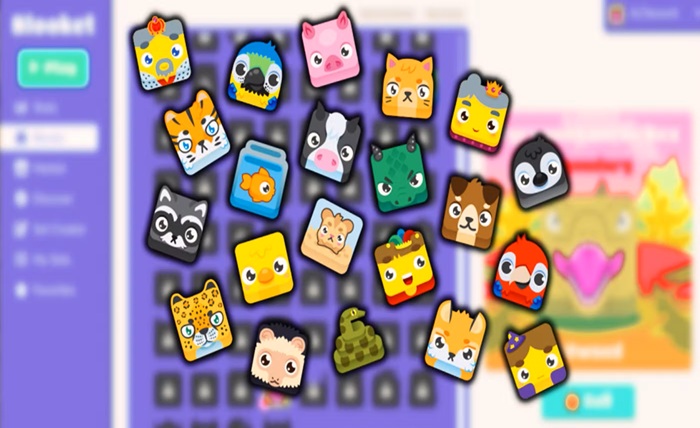
Introduction to the Blooket Dashboard
The blooket dashboard is the central control panel where teachers and students manage games, track progress, and customize learning experiences. The blooket dashboard brings together all essential tools in one place, making it easier to create interactive quizzes, host live sessions, and analyze results without technical complexity. By using the blooket dashboard effectively, educators can transform ordinary lessons into engaging, game-based activities that motivate learners.
The blooket dashboard matters because it saves time and improves instructional quality. From quick access to question sets to real-time analytics, the blooket dashboard supports informed teaching decisions. Whether you’re new to Blooket or an experienced user, understanding the blooket dashboard is key to maximizing engagement and outcomes.
Getting Started with the Blooket Dashboard
Accessing the blooket dashboard is straightforward: log in, and the dashboard becomes your home base. The blooket dashboard displays your library, hosted games, reports, and settings, allowing you to start or resume activities instantly. First-time users will find the blooket dashboard intuitive, with clear labels and helpful prompts.
Setting up the blooket dashboard involves creating a profile, organizing question sets, and adjusting preferences. The blooket dashboard lets teachers import content, clone existing sets, and configure game modes. With a few minutes of setup on the blooket dashboard, you can prepare lessons that run smoothly and keep students focused.
Navigating the Blooket Dashboard Interface
The blooket dashboard interface is divided into sections such as Discover, My Sets, Reports, and Host. Each area on the blooket dashboard is designed to reduce friction and help users find what they need quickly. Clear icons and menus on the blooket dashboard ensure a low learning curve.
Customization options within the blooket dashboard allow users to prioritize frequently used tools. By organizing content and shortcuts, the blooket dashboard becomes a personalized workspace. This thoughtful layout helps teachers manage multiple classes and activities efficiently using the blooket dashboard.
Creating and Managing Content on the Blooket Dashboard
Creating content with the blooket dashboard is simple and flexible. Teachers can build question sets from scratch, import from spreadsheets, or search public libraries directly within the blooket dashboard. Each question supports multiple formats, ensuring variety and alignment with learning goals.
Managing content on the blooket dashboard includes editing, duplicating, and organizing sets into folders. The blooket dashboard also supports collaboration, allowing educators to share resources. This centralized content management makes the blooket dashboard a powerful hub for lesson planning.
Hosting Games Through the Blooket Dashboard
The blooket dashboard enables hosting live games or assigning homework with a few clicks. Live mode on the blooket dashboard fosters competition and collaboration, while homework mode supports self-paced learning. Teachers can choose game modes that best suit their objectives using the blooket dashboard.
During gameplay, the blooket dashboard provides controls to pause, end, or monitor sessions. Real-time insights displayed on the blooket dashboard help teachers intervene when needed. This flexibility ensures smooth execution and consistent engagement.
Analytics and Reports in the Blooket Dashboard
One of the most valuable features of the blooket dashboard is its analytics. After each session, the blooket dashboard generates reports showing accuracy, participation, and progress. These insights help teachers identify strengths and gaps.
The blooket dashboard supports data-driven instruction by offering downloadable reports and summaries. By reviewing trends on the blooket dashboard, educators can refine content and tailor interventions. Analytics transform the blooket dashboard from a game tool into a strategic teaching assistant.
Customization and Settings on the Blooket Dashboard
Customization options within the blooket dashboard allow teachers to adjust game settings, timers, and accessibility features. The blooket dashboard supports differentiated instruction by enabling varied difficulty levels and pacing.
User preferences on the blooket dashboard also include notifications, themes, and account settings. By personalizing the blooket dashboard, educators create a smoother workflow and a more inclusive learning environment for students.
Best Practices for Using the Blooket Dashboard
To get the most from the blooket dashboard, start with clear objectives and choose game modes that match lesson goals. Rotating activities through the blooket dashboard keeps students engaged and reduces fatigue.
Consistency is key when using the blooket dashboard. Regularly reviewing reports, updating question sets, and experimenting with features ensures continuous improvement. These best practices help educators unlock the full potential of the blooket dashboard.
Conclusion
The blooket dashboard stands out as a comprehensive platform for interactive learning. By centralizing content creation, hosting, analytics, and customization, the blooket dashboard simplifies teaching while boosting engagement. Educators who master the blooket dashboard can deliver dynamic lessons with confidence.
In conclusion, the blooket dashboard is more than a control panel—it’s a strategic tool for modern education. With thoughtful use, the blooket dashboard empowers teachers to inspire participation, track progress, and achieve meaningful learning outcomes.
FAQs
1: What devices support the blooket dashboard?
The blooket dashboard works on desktops, laptops, tablets, and smartphones with a modern browser. This flexibility ensures easy access to the blooket dashboard anywhere.
2: Is the blooket dashboard free to use?
The blooket dashboard offers a free tier with core features, while premium plans unlock advanced options. Many educators find the free blooket dashboard sufficient.
3: Can students access the blooket dashboard?
Students have limited access compared to teachers, but they can join games and view progress related to the blooket dashboard activities.
4: How secure is data on the blooket dashboard?
The blooket dashboard uses standard security practices to protect user data and classroom information, ensuring safe usage.
5: Can I integrate the blooket dashboard with other tools?
While direct integrations are limited, the blooket dashboard supports exports and sharing that work well alongside other educational platforms.